
Basement Mold Removal Stains Guide Part 1
Introduction
Basements are notorious for being damp, dark spaces that can quickly become breeding grounds for mold and mildew. These unwanted guests not only create an unpleasant environment but can also leave unsightly stains on walls, floors, and furniture. In this guide, we will explore the causes of these stains, how to effectively remove them, and provide practical tips for prevention.
What Causes Stains?
Mold stains are typically the result of mold growth, which thrives in humid and damp conditions. When mold spores land on a surface, they can begin to grow and reproduce, leading to discoloration. Common causes of mold stains include:
- High Humidity Levels: Basements often have poor ventilation, leading to increased moisture.
- Water Leaks: Pipes, roofs, or walls that leak can create a constant source of moisture.
- Condensation: Warm air meeting cold surfaces can cause condensation, creating a perfect environment for mold.
- Flooding: Water intrusion from heavy rains or melting snow can lead to mold growth.
- Poor Air Circulation: Basements often lack windows and proper ventilation, making it hard for air to circulate and dry out moisture.
- Temperature Fluctuations: Changes in temperature can lead to condensation, fostering mold growth.
- Organic Materials: Mold feeds on organic materials like wood, drywall, and carpet, which are common in basements.
- Protective gear (gloves, mask, goggles)
- A scrub brush
- Buckets
- Sprayer or sponge
- Cleaning solution (vinegar, baking soda, or commercial mold remover)
- Water
- Rags or paper towels
- Porous Surfaces (Wood, Drywall): Use vinegar or a commercial mold remover. You may need to replace heavily damaged materials.
- Non-Porous Surfaces (Concrete, Tile): Scrub with a mixture of water and bleach (1 cup bleach to 1 gallon of water) for stubborn stains.
- Fabrics (Carpets, Upholstery): Use a carpet cleaner or a mixture of water and vinegar. Blot, don’t rub, to avoid spreading the stain.
- Skipping Safety Gear: Always wear gloves, a mask, and goggles to protect yourself from mold spores and cleaning chemicals.
- Using Hot Water: Hot water can spread mold spores. Always use cool or lukewarm water for cleaning.
- Not Ventilating the Area: Ensure proper ventilation when cleaning to prevent the buildup of harmful fumes.
- Ignoring the Source: Cleaning stains without addressing the moisture issue will only lead to a recurrence of the problem.
- Control Humidity: Use a dehumidifier to maintain humidity levels below 60%.
- Improve Ventilation: Open windows or install vents to promote airflow.
- Seal Cracks and Leaks: Regularly check for and repair leaks in walls, ceilings, and floors.
- Store Items Properly: Keep items off the ground and use plastic bins instead of cardboard boxes.
- Regular Inspections: Periodically check your basement for signs of moisture and mold growth.
Why This Problem Happens
Understanding why mold stains occur can help you address the root cause of the problem. Here are a few reasons:
How to Fix Stains (Step-by-Step)
Removing mold stains requires a systematic approach. Follow these steps to effectively clean your basement:
Step 1: Gather Supplies
You will need:
Step 2: Assess the Area
Inspect the stained areas and determine the extent of the mold growth. If the affected area is larger than 10 square feet, consider consulting a professional.
Step 3: Prepare the Cleaning Solution
For a natural cleaning solution, mix equal parts of water and white vinegar in a spray bottle. Alternatively, you can use a commercial mold remover according to the manufacturer’s instructions.
Step 4: Apply the Solution
Spray or sponge the cleaning solution onto the stained areas. Allow it to sit for 10-15 minutes to penetrate the mold.
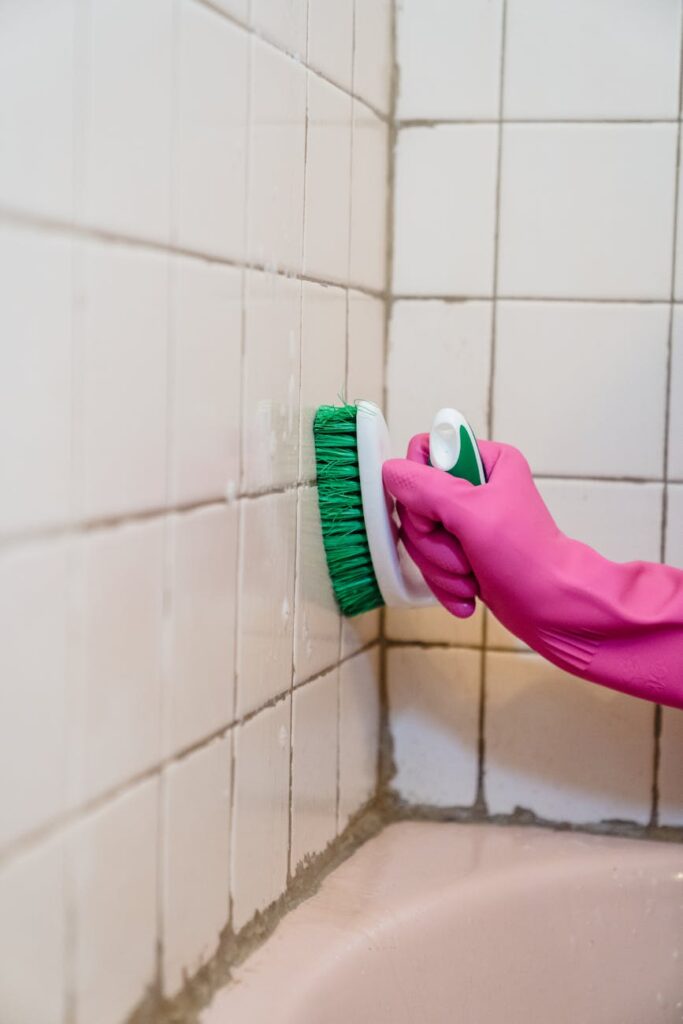
Step 5: Scrub the Stains
Use a scrub brush to gently scrub the stained areas. Be thorough but not abrasive to avoid damaging the surface.
Step 6: Rinse and Dry
Rinse the area with clean water using a sponge or cloth. Wipe it dry immediately to prevent moisture from lingering.
Step 7: Dispose of Contaminated Materials
Properly dispose of any rags or materials used in the cleaning process to avoid spreading spores.
Best Cleaning Methods
Different surfaces may require different cleaning methods. Here are some effective techniques:
Common Mistakes to Avoid
When tackling mold stains, avoid these common pitfalls:
Prevention Tips
To minimize the chances of mold stains in your basement, follow these preventive measures:
Frequently Asked Questions
1. Can I use bleach to remove mold stains?
Yes, bleach can be effective on non-porous surfaces but is not recommended for porous materials, as it may not kill all mold spores.
2. How do I know if my mold is toxic?
If you suspect toxic mold (like black mold), it’s best to consult a professional for testing and removal.
3. How do I prevent mold from coming back after cleaning?
Address the moisture source by using a dehumidifier, improving ventilation, and sealing leaks.
4. Is it safe to clean mold stains myself?
For small areas, it’s generally safe as long as you wear protective gear and follow proper cleaning procedures.
5. How often should I check for mold in my basement?
Inspect your basement at least once a season, or more frequently after heavy rains or flooding.
6. What should I do if mold stains persist after cleaning?
If stains remain, it may indicate deeper mold growth. Consider consulting a professional for more extensive remediation.
By following the steps outlined in this guide, you can effectively tackle mold stains in your basement and prevent future occurrences. Stay vigilant, and your basement can remain a clean, dry, and functional space.