
Basement Mold Removal: Mould & Damp Guide Part 2
Introduction
Basements are often the most neglected areas of a home, making them prime candidates for mould and damp issues. These problems can lead to structural damage and an unpleasant living environment. This guide will provide practical steps to identify, remove, and prevent mould and damp in your basement, ensuring a clean and safe space.
What Causes Mould & Damp?
Understanding the root causes of mould and damp is crucial for effective remediation. Here are the primary culprits:
1. Poor Ventilation: Basements tend to lack adequate airflow, trapping moisture.
2. High Humidity Levels: Humidity over 60% encourages mould growth.
3. Water Leaks: Pipes or walls that leak can introduce moisture.
4. Condensation: Warm air hitting cold surfaces can create moisture.
5. Groundwater Seepage: Water from the ground can seep through walls or floors.
Why This Problem Happens
Mould thrives in damp, dark environments. Basements are often cooler than the rest of the house, creating perfect conditions for mould spores to germinate. When combined with high humidity or leaks, these conditions can escalate quickly. Ignoring the issue can lead to more significant problems, including structural damage and health risks.
How to Fix Mould & Damp (Step-by-Step)
Step 1: Assess the Damage
- Visual Inspection: Look for visible signs of mould, such as black or green spots on walls, ceilings, or floors.
- Smell Test: A musty odor often indicates mould presence.
- Check for Moisture: Use a moisture meter to check humidity levels and dampness in walls and floors.
- Protective gear (gloves, mask, goggles)
- Bucket
- Scrub brushes
- Mould removal solution (vinegar, bleach, or commercial cleaner)
- Fans or dehumidifier
- Personal Items: Take out any items that may have been affected by mould, including boxes, furniture, and clothing.
- Dispose of Heavily Infested Items: If items are severely damaged, consider discarding them to prevent further spread.
- Seal Leaks: Use caulking or waterproof sealants on any leaks.
- Improve Ventilation: Install vents or exhaust fans to improve airflow.
- Use a Dehumidifier: Run a dehumidifier to maintain humidity levels below 60%.
- Usage: Spray undiluted vinegar on the affected area. Let it sit for at least an hour before wiping clean.
- Effectiveness: Kills about 82% of mould species.
- Usage: Mix bleach with water (1:10 ratio) and apply to mouldy surfaces.
- Effectiveness: Effective on non-porous surfaces.
- Usage: Mix with water to form a paste and scrub affected areas.
- Effectiveness: Safe and effective for mild mould issues.
- Usage: Follow the manufacturer’s instructions for application.
- Effectiveness: Generally effective against a wide range of mould types.
Step 2: Gather Your Supplies
You’ll need:
Step 3: Remove Affected Items
Step 4: Clean the Area
1. Prepare Your Solution: Mix one cup of bleach with one gallon of water, or use undiluted vinegar.
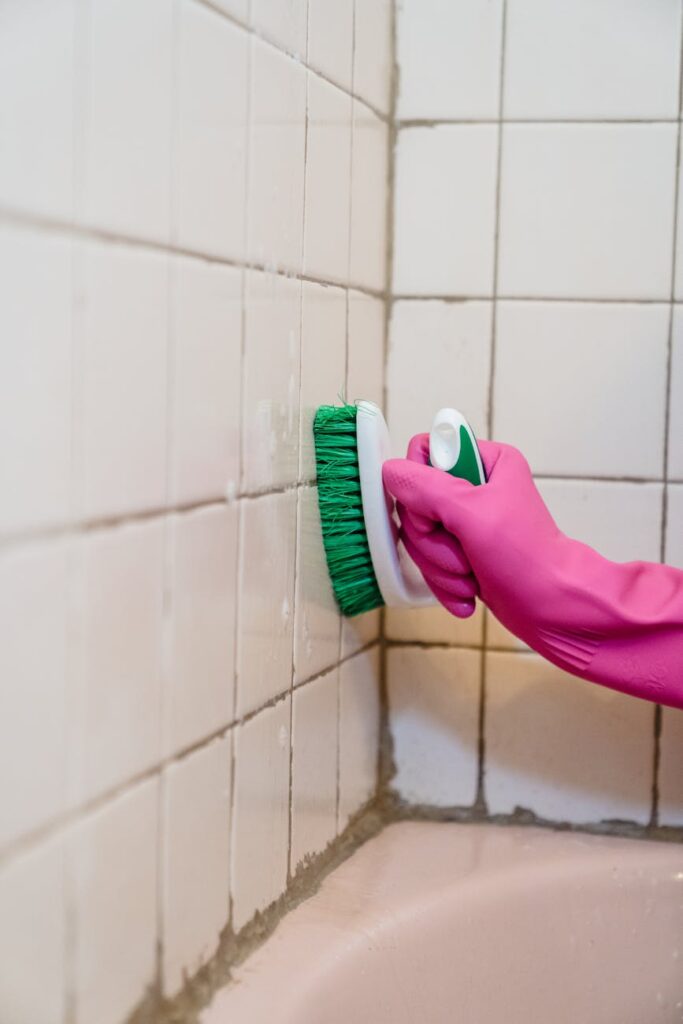
2. Scrub Affected Areas: Use a scrub brush to apply the solution to mouldy surfaces.
3. Rinse and Dry: Rinse with clean water and dry the area thoroughly.
Step 5: Address the Source of Moisture
Step 6: Monitor the Area
Regularly check for signs of mould and dampness to ensure that the problem does not return.
Best Cleaning Methods
Vinegar
Bleach
Baking Soda
Commercial Mould Removers
Common Mistakes to Avoid
1. Ignoring the Source: Cleaning without fixing leaks or humidity issues won’t solve the problem.
2. Using Inadequate Protection: Always wear protective gear to avoid inhaling spores.
3. Neglecting Ventilation: Closing off the area can trap moisture and worsen the problem.
4. Using Too Much Water: Excessive moisture from cleaning can worsen dampness.
Prevention Tips
1. Maintain Low Humidity: Use dehumidifiers to keep humidity levels below 60%.
2. Ensure Good Airflow: Open windows or install vents to promote circulation.
3. Regular Inspections: Check for leaks and signs of mould periodically.
4. Insulate Pipes: Insulating pipes can help prevent condensation.
5. Waterproof Your Basement: Consider a waterproofing system if groundwater is a frequent issue.
Frequently Asked Questions
1. How do I know if I have mould in my basement?
Look for visible signs like dark spots, and pay attention to musty smells. A moisture meter can help detect hidden dampness.
2. Can I remove mould myself?
Yes, small areas of mould can often be removed safely by following proper cleaning procedures. However, large infestations may require professional help.
3. Is it safe to use bleach on mould?
Bleach is effective on non-porous surfaces but may not penetrate porous materials like wood or drywall, allowing mould to return.
4. How can I prevent mould from returning?
Maintain low humidity levels, ensure proper ventilation, and regularly inspect for leaks or dampness.
5. Does mould removal require professional help?
If the mould covers a large area (greater than 10 square feet) or if you’re experiencing health issues, it’s best to consult professionals.
6. What should I do if I have a severe mould problem?
If the mould covers a large area or if you have persistent damp issues, consult a professional mould remediation service.
By following these practical steps, you can effectively remove mould and damp from your basement, ensuring a healthier living environment for you and your family. Remember that prevention is key to keeping your basement free of mould in the future. Regular maintenance and vigilance will go a long way in safeguarding your home.