
Basement Mold Removal: Mould & Damp Guide Part 1
Introduction
Basements are often the most neglected areas of a home, making them prime targets for mould and damp issues. These problems can cause structural damage and affect air quality. Fortunately, with the right knowledge and tools, you can tackle mould and damp effectively. This guide provides actionable steps to help you remove mould from your basement and prevent it from returning.
What Causes Mould & Damp?
Understanding the causes of mould and damp is the first step in addressing the problem. Here are the primary culprits:
1. High Humidity: Basements are naturally humid environments. When humidity levels rise above 60%, mould spores can thrive.
2. Poor Ventilation: Lack of airflow traps moisture, creating ideal conditions for mould growth.
3. Water Leaks: Plumbing leaks, foundation cracks, or seepage from outside can introduce excess water.
4. Condensation: Cold surfaces in the basement can cause moisture to condense, leading to dampness.
5. Organic Materials: Mould feeds on materials like wood, drywall, and fabric, which are often found in basements.
Why This Problem Happens
The combination of moisture, warmth, and organic materials creates a perfect breeding ground for mould. When these factors are present for an extended period, mould can quickly establish itself. Additionally, basements often remain dark and unmonitored, allowing mould to flourish unnoticed until it becomes a significant issue.
How to Fix Mould & Damp (Step-by-Step)
Step 1: Assess the Situation
- Visual Inspection: Look for visible signs of mould, damp patches, or water stains.
- Smell Test: A musty smell often indicates mould presence.
- Check Humidity Levels: Use a hygrometer to measure humidity levels. Aim for 30-50%.
- Protective gear (gloves, mask, goggles)
- Cleaning solution (vinegar, hydrogen peroxide, or a commercial mould remover)
- Scrubbing brush
- Bucket
- Spray bottle
- Dehumidifier
- Fans
- Sealant or paint (for finishing touches)
- Fix Leaks: Repair any plumbing issues or cracks in the foundation.
- Improve Ventilation: Install vents or exhaust fans to enhance airflow.
- Control Humidity: Use a dehumidifier to maintain optimal humidity levels.
Step 2: Gather Your Supplies
You will need:
Step 3: Remove the Mould
1. Put on Protective Gear: Ensure you’re fully protected before starting.
2. Ventilate the Area: Open windows and use fans to increase airflow.
3. Apply Cleaning Solution: Spray your chosen solution directly onto the mouldy area. Let it sit for 10-15 minutes.
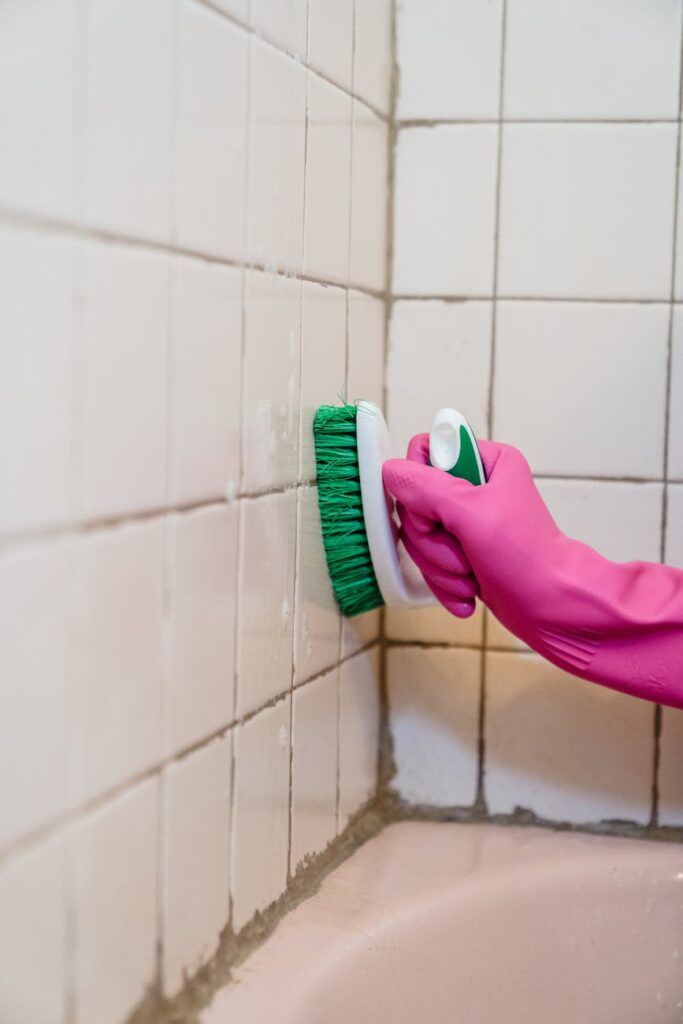
4. Scrub the Affected Area: Use a scrubbing brush to remove the mould. Be thorough but gentle to avoid damaging surfaces.
5. Rinse and Dry: Wipe down the area with clean water and dry it completely. Use fans or a dehumidifier to speed up the drying process.
Step 4: Address the Underlying Issues
Best Cleaning Methods
1. Vinegar: A natural and effective mould killer. Spray undiluted vinegar on the affected area and let it sit for an hour before scrubbing.
2. Hydrogen Peroxide: This is effective for tougher mould stains. Mix a solution of 1 part hydrogen peroxide to 2 parts water and apply.
3. Commercial Mould Removers: Many products are available that specifically target mould. Always follow the manufacturer’s instructions.
4. Baking Soda: Mix with water to create a paste for scrubbing. It’s great for light mould issues and also acts as a deodorizer.
Common Mistakes to Avoid
1. Ignoring the Source: Cleaning mould without addressing the moisture issue will only lead to a reoccurrence.
2. Not Wearing Protective Gear: Mould spores can be harmful when inhaled. Always protect yourself.
3. Using Bleach: While bleach can kill mould on non-porous surfaces, it can worsen the problem on porous materials by feeding it.
4. Not Drying Properly: Failing to completely dry the area can lead to mould returning quickly.
Prevention Tips
1. Regular Inspections: Keep an eye on your basement for signs of dampness or mould.
2. Maintain Humidity Levels: Use a dehumidifier during humid months.
3. Improve Drainage: Ensure that rainwater drains away from the foundation.
4. Seal Cracks: Use sealant on any cracks in walls or floors.
5. Store Wisely: Keep belongings off the ground and store items in airtight containers.
Frequently Asked Questions
1. How can I tell if I have mould?
Look for visible growth, damp spots, or a musty smell. Conduct a humidity check for levels above 60%.
2. Is it safe to remove mould myself?
Yes, as long as you take safety precautions, including wearing protective gear.
3. Can I use bleach to remove mould?
Bleach is not recommended for porous surfaces where mould can return. Opt for vinegar or hydrogen peroxide instead.
4. How often should I check my basement for mould?
Inspect your basement regularly, especially after heavy rains or flooding.
5. What humidity level is ideal for preventing mould?
Aim for a humidity level between 30-50%.
6. How can I prevent mould from returning?
Address moisture issues, improve ventilation, and regularly inspect your basement.
By following this comprehensive guide, you can effectively tackle mould and damp issues in your basement and create a safer, healthier living environment. Stay proactive and vigilant, and your basement can remain mould-free.