
Basement Mold Removal Laundry Guide Part 1
Introduction
Basements are often the most neglected areas of our homes, and unfortunately, they can become breeding grounds for mold, especially in your laundry area. Mold thrives in damp, dark environments, making basements an ideal location. This guide will help you understand the causes of laundry-related mold, how to remove it effectively, and how to prevent it from returning.
What Causes Laundry?
Laundry-related mold typically forms when moisture accumulates in your laundry area. Factors contributing to this problem include:
- High Humidity: Basements often have higher humidity levels, especially in warmer months.
- Poor Ventilation: A lack of airflow can trap moisture in the air, creating a perfect environment for mold.
- Water Leaks: Any leaks from pipes or appliances can lead to water pooling and mold growth.
- Clothes Left Wet: Leaving wet clothes in the washer or dryer can cause mold to develop if not addressed quickly.
- Protect Yourself: Wear gloves, a mask, and goggles to avoid contact with mold spores.
- Ventilate the Area: Open windows and doors to ensure proper airflow while you work.
- Check for Leaks: Inspect washing machines, pipes, and drains for any leaks or moisture.
- Assess Humidity Levels: Use a hygrometer to measure humidity; levels above 60% can encourage mold growth.
- Take Out Laundry: Remove any wet or damp clothes from the washer or dryer.
- Check Other Items: Inspect laundry baskets and nearby storage for any moldy items.
- Use Hot Water: Wash moldy clothes in hot water with detergent and a cup of vinegar.
- Check for Remaining Mold: After washing, inspect clothes for any lingering mold spots. Repeat washing if necessary.
- Use a Dryer: If possible, use a dryer to fully dry clothes, as high heat can kill mold spores.
- Air Dry: If air drying, ensure clothes are in a well-ventilated area.
- Ingredients: White vinegar and water.
- Method: Mix equal parts, spray on affected areas, let sit for 30 minutes, then scrub and rinse.
- Ingredients: Baking soda and water.
- Method: Create a paste, apply it to moldy areas, scrub, and rinse.
- Products: Look for EPA-approved mold removers.
- Method: Follow the manufacturer’s instructions for best results.
- Control Humidity: Use dehumidifiers to keep humidity levels below 50%.
- Improve Ventilation: Install exhaust fans or open windows to allow airflow.
- Store Clothes Properly: Avoid leaving damp clothes in the laundry area.
- Regular Maintenance: Inspect for leaks and mold regularly to catch issues early.
Why This Problem Happens
Understanding why laundry mold occurs is crucial for effective removal. Mold spores are ever-present in our environment, but they need specific conditions to thrive:
1. Moisture: Mold needs a consistent source of moisture to grow. Basements can be damp, especially if they are not properly waterproofed.
2. Temperature: Mold flourishes in warm environments. Basements can retain heat, especially when laundry appliances are in use.
3. Organic Material: Mold feeds on organic materials. Detergents, fabric softeners, and even lint can provide a food source.
By addressing these factors, you can tackle the mold issue effectively.
How to Fix Laundry (Step-by-Step)
Removing mold from your laundry area requires a systematic approach. Follow these steps to eliminate mold effectively:
Step 1: Safety First
Step 2: Identify the Source
Step 3: Remove Affected Items
Step 4: Clean the Area
1. Vacuum: Use a vacuum with a HEPA filter to remove loose mold spores from surfaces.
2. Prepare Cleaning Solution: Mix equal parts water and white vinegar or use a commercial mold remover.
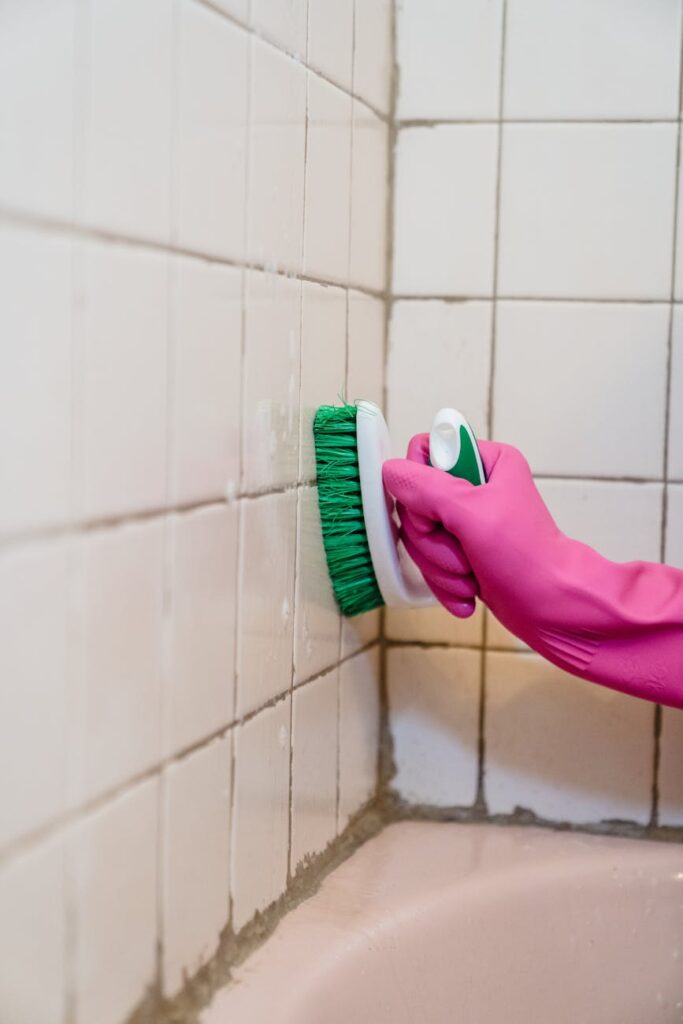
3. Scrub Surfaces: Apply the cleaning solution to affected surfaces and scrub with a brush.
4. Rinse and Dry: Wipe down with a clean cloth and allow the area to dry completely.
Step 5: Wash Clothes
Step 6: Dry Thoroughly
Best Cleaning Methods
Different methods can be effective for cleaning mold in your laundry area. Here are the top options:
Vinegar Solution
Baking Soda Paste
Commercial Mold Removers
Common Mistakes to Avoid
To ensure effective mold removal, avoid these common pitfalls:
1. Ignoring the Source: Failing to fix leaks or address humidity will lead to recurring mold.
2. Using the Wrong Products: Some cleaners can exacerbate mold growth; always choose the right solution.
3. Not Cleaning Thoroughly: Leaving any mold behind can lead to regrowth.
4. Skipping Safety Gear: Protect yourself from exposure to mold spores during cleanup.
Prevention Tips
Preventing mold from returning is just as important as removal. Here are some proactive measures:
Frequently Asked Questions
1. How can I tell if mold is present in my laundry area?
Look for visible mold growth, musty odors, or damp spots. Use a mold testing kit for confirmation.
2. Can I wash moldy clothes without removing the mold from the laundry area?
No, washing clothes without addressing the source of mold can lead to reinfection.
3. How often should I check my basement for mold?
Check your basement for mold at least once a month, especially during humid seasons.
4. What should I do if mold keeps returning?
Investigate and resolve underlying issues like leaks or humidity, and consider professional mold remediation if necessary.
5. Can I use bleach to clean mold?
While bleach can kill mold on non-porous surfaces, it is not effective on porous materials and can produce harmful fumes. Consider safer alternatives like vinegar.
6. What type of dehumidifier works best for my laundry area?
Look for a dehumidifier rated for basement use, capable of handling at least 30-50 pints of moisture per day.
By following this guide, you can effectively tackle mold in your laundry area, ensuring a clean, safe environment for your household tasks. Stay tuned for Part 2, where we will dive deeper into ongoing maintenance and troubleshooting.