
Basement Mold Removal Kitchen Guide Part 2
Introduction
Mold in the kitchen can be a frustrating and persistent issue, especially if your kitchen is located in the basement. This guide aims to provide practical steps to identify, remove, and prevent mold growth in your kitchen. By following these methods, you can create a cleaner, healthier home environment.
What Causes Kitchen Mold?
Mold thrives in damp, dark, and poorly ventilated areas. In a basement kitchen, several factors contribute to mold growth:
1. High Humidity: Basements often have higher humidity levels, creating the perfect environment for mold.
2. Water Leaks: Any leaks from pipes or appliances can lead to moisture accumulation.
3. Poor Ventilation: Kitchens need proper airflow to prevent moisture buildup. Lack of windows or exhaust fans can exacerbate the problem.
4. Food Spoilage: Leftover food or spills can provide nutrients for mold to grow.
Why This Problem Happens
Understanding why mold grows is essential for effective removal and prevention. Mold spores are always present in the air but require the right conditions to thrive:
- Moisture: Mold needs water to grow. Any source of moisture, from condensation to spills, can trigger growth.
- Organic Material: Mold feeds on organic materials like wood, food, and even dust. Your kitchen has plenty of these materials.
- Temperature: Mold grows well in warm conditions. Basements tend to maintain a relatively stable temperature, which can aid in mold proliferation.
- Inspect: Look for visible mold on walls, under sinks, or behind appliances.
- Check for Moisture: Use a moisture meter to detect areas with high humidity.
- Smell Test: A musty odor can indicate hidden mold.
- Protective gear (gloves, mask, goggles)
- Mold removal solution (commercial or homemade)
- Scrub brushes or sponges
- Buckets
- Rags or towels
- Trash bags
- Clear the Area: Remove any items affected by mold, such as food, utensils, or appliances. Discard any moldy items.
- Seal and Dispose: Place moldy items in trash bags and seal them to prevent spores from spreading.
- Apply Mold Remover: Use a commercial mold cleaner or create a solution of vinegar and water (1:1 ratio) or a mixture of baking soda and water.
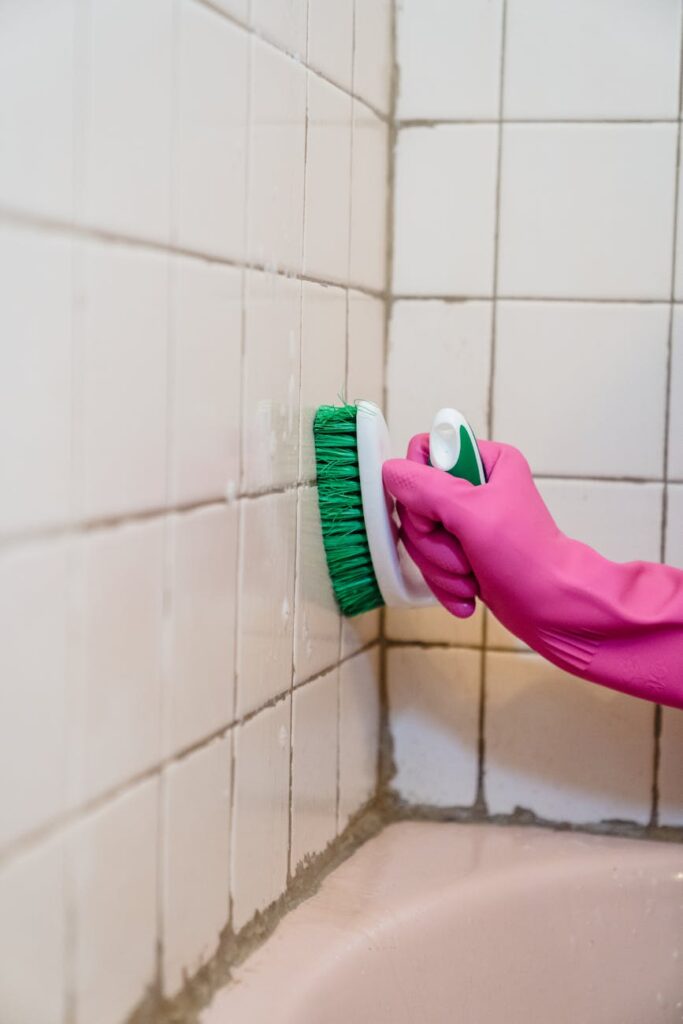
- Scrub Thoroughly: Using a scrub brush or sponge, scrub the affected areas until the mold is removed.
- Rinse and Dry: Rinse the surfaces with clean water and dry them completely.
- Fix Leaks: Repair any leaks in plumbing or appliances.
- Improve Ventilation: Install exhaust fans or consider dehumidifiers to reduce humidity levels.
- Seal Cracks: Caulk any gaps or cracks in walls or floors to prevent moisture ingress.
- Regular Checks: Keep an eye on previously affected areas for signs of mold returning.
- Use Moisture Meters: Regularly check humidity levels to ensure they remain within a safe range (30-50%).
How to Fix Kitchen Mold (Step-by-Step)
Step 1: Identify the Problem Areas
Step 2: Gather Your Supplies
You’ll need:
Step 3: Remove Affected Items
Step 4: Clean the Surfaces
Step 5: Address Moisture Sources
Step 6: Monitor the Area
Best Cleaning Methods
1. Vinegar Solution
Vinegar is a natural mold killer and can effectively sanitize surfaces. Use it undiluted for tougher mold infestations.
2. Baking Soda Paste
Mix baking soda with water to form a paste. Apply it to moldy areas and scrub after a few hours.
3. Hydrogen Peroxide
A 3% hydrogen peroxide solution can kill mold spores. Spray it on affected areas and let it sit for 10 minutes before scrubbing.
4. Commercial Mold Cleaners
For severe mold infestations, consider using a commercial mold removal product. Always follow the manufacturer’s instructions.
Common Mistakes to Avoid
1. Ignoring Small Spots: Even small patches of mold can grow quickly if not addressed.
2. Using Bleach: Bleach can kill surface mold but doesn’t penetrate porous materials, allowing mold to return.
3. Not Wearing Protective Gear: Always protect yourself when handling mold to avoid exposure to spores.
4. Failing to Dry Areas: Mold thrives in moisture. Ensure all surfaces are thoroughly dried post-cleaning.
5. Neglecting Regular Maintenance: Regularly check for leaks and humidity levels to prevent mold growth.
Prevention Tips
1. Control Humidity: Use dehumidifiers to keep humidity levels in check.
2. Ventilate Properly: Install exhaust fans in the kitchen and ensure proper airflow.
3. Regular Cleaning: Clean spills and food messes promptly to prevent mold from taking hold.
4. Seal Cracks: Regularly inspect and seal any cracks in walls or floors to keep moisture out.
5. Store Food Properly: Keep food in airtight containers and regularly check for spoilage.
Frequently Asked Questions
1. How can I tell if I have mold in my basement kitchen?
Look for visible mold growth, musty odors, and check for moisture and damp areas.
2. Is mold in the kitchen dangerous?
While not all mold is harmful, some varieties can cause health issues. It’s best to remove it promptly.
3. Can I use bleach to remove mold?
While bleach can kill surface mold, it doesn’t penetrate porous materials. It’s better to use vinegar or hydrogen peroxide.
4. How do I prevent mold from returning?
Control humidity, improve ventilation, and regularly inspect for leaks and moisture.
5. What should I do if the mold keeps coming back?
If mold persists, consider consulting a professional mold removal service for a thorough assessment.
6. How often should I check for mold in my basement kitchen?
Regularly inspect your kitchen, at least every few months, or after any water-related incidents.
By following this guide, you can effectively tackle mold issues in your basement kitchen, ensuring a cleaner and healthier cooking environment. Taking these proactive steps will help you keep mold at bay for good.