
Basement Mold Removal Kitchen Guide Part 1
Introduction
Mold in the kitchen, especially if it originates from the basement, can be a serious issue. Not only does it pose aesthetic concerns, but it can also lead to health issues and structural damage. This guide will walk you through understanding the causes of mold in your kitchen, how to remove it effectively, and tips to prevent it from returning.
What Causes Kitchen Mold?
Kitchen mold primarily thrives in damp environments. Here are some common culprits that can lead to mold growth in the kitchen:
- Leaky Pipes: Water leaks from plumbing can create a perfect breeding ground for mold.
- Condensation: High humidity and condensation on cold surfaces (like windows or walls) can encourage mold growth.
- Poor Ventilation: Kitchens that lack proper airflow are more susceptible to moisture buildup.
- Flooding: Water damage from flooding can lead to mold if not addressed promptly.
- Food Spills: Accumulations of food debris can become a food source for mold.
- Rubber gloves
- N95 respirator mask
- Safety goggles
- Scrub brush or sponge
- Bucket
- Spray bottle
- Cleaning solution (vinegar or a commercial mold remover)
- Cloths or towels
- Under the sink
- Behind appliances (like the refrigerator or stove)
- On walls and ceilings, especially near windows
- White Vinegar: Fill a spray bottle with undiluted white vinegar. It’s effective against many types of mold.
- Commercial Mold Remover: Follow the manufacturer’s instructions for diluting and applying.
- Baking Soda: Mix with water to form a paste and scrub the moldy area. Baking soda not only cleans but also deodorizes.
- Hydrogen Peroxide: Use a 3% solution in a spray bottle. It’s effective against mold and mildew.
- Bleach: While effective, bleach should be used cautiously as it can produce harmful fumes and is not recommended for porous surfaces.
- Ignoring the Source: Simply cleaning mold without addressing the source of moisture will lead to recurrence.
- Not Wearing Protective Gear: Always protect yourself with gloves, a mask, and goggles.
- Using the Wrong Cleaner: Some cleaners can exacerbate mold problems. Choose appropriate ones.
- Skipping Drying: Failing to completely dry the area after cleaning can allow mold to return.
- Overlooking Hidden Areas: Mold can grow in hidden spots. Be thorough in your inspection.
- Improve Ventilation: Use exhaust fans while cooking and ensure windows can open to allow airflow.
- Control Humidity: Use a dehumidifier to keep humidity levels below 60%.
- Fix Leaks Promptly: Address plumbing issues immediately to prevent water accumulation.
- Regular Cleaning: Keep surfaces clean and dry, especially in high-moisture areas.
- Check for Condensation: Inspect windows and walls for condensation, and take steps to reduce moisture.
Understanding these causes is essential for effective mold removal and prevention.
Why This Problem Happens
Mold thrives in environments that are damp, dark, and warm. Kitchens are often warm due to cooking appliances, and moisture can accumulate from cooking and cleaning activities. If your kitchen is in a basement, it’s even more prone to mold due to the generally higher humidity levels found in basements.
The presence of organic materials, such as wood, paper, and food particles, provides additional nutrients for mold. When these conditions persist, mold can multiply quickly, leading to significant problems if not addressed.
How to Fix Kitchen Mold (Step-by-Step)
Removing mold from your kitchen requires a systematic approach. Follow these steps for effective mold removal:
Step 1: Gather Your Supplies
Before you start, gather the following items:
Step 2: Identify the Affected Areas
Inspect your kitchen thoroughly, focusing on areas prone to moisture, such as:
Step 3: Isolate the Area
To prevent mold spores from spreading, close off the kitchen by sealing doors and vents. If possible, turn off HVAC systems to avoid circulating spores.
Step 4: Prepare Your Cleaning Solution
You can use either:
Step 5: Apply the Solution
Spray the affected areas generously. Let the solution sit for at least 10-15 minutes to penetrate the mold.
Step 6: Scrub the Area
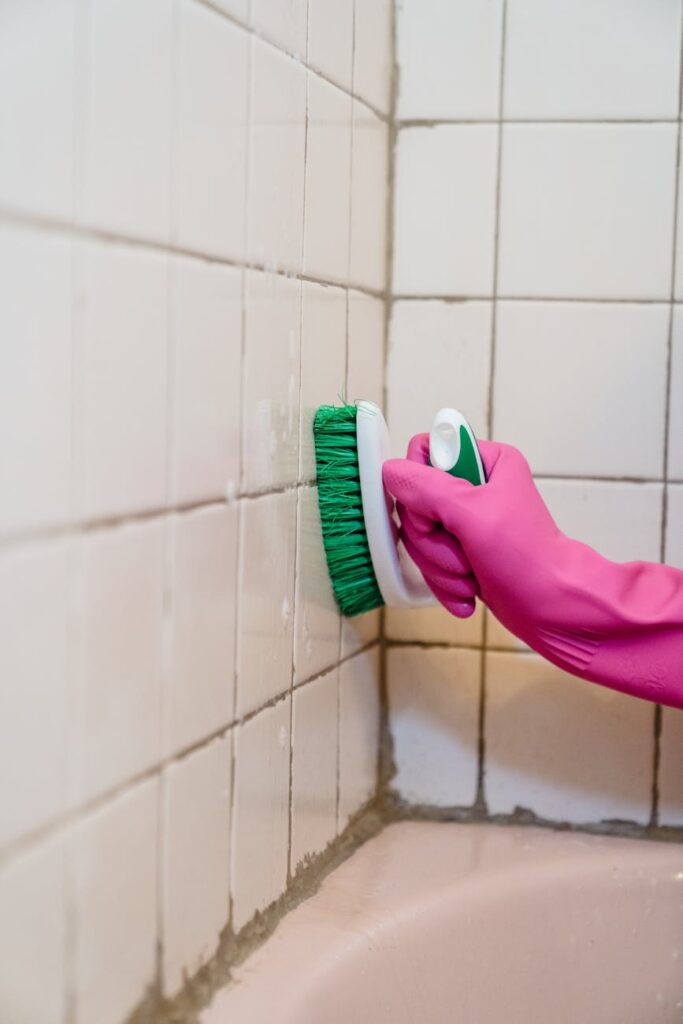
Using a scrub brush or sponge, scrub the moldy areas thoroughly. Be sure to wear gloves and a mask during this process to protect yourself.
Step 7: Rinse and Dry
After scrubbing, rinse the area with clean water and dry it completely to prevent future mold growth. Use cloths or towels to absorb moisture, and consider using a fan to speed up the drying process.
Step 8: Dispose of Contaminated Materials
If any materials (like sponges or cloths) are heavily contaminated, dispose of them properly in sealed bags.
Best Cleaning Methods
While vinegar is a great natural option, there are other effective cleaning methods:
Common Mistakes to Avoid
When dealing with mold removal, it’s crucial to avoid these common pitfalls:
Prevention Tips
Preventing mold from returning is essential for long-term cleanliness. Follow these tips:
Frequently Asked Questions
1. How can I tell if I have mold in my kitchen?
Look for discoloration on walls, ceilings, or under sinks. You may also notice a musty odor.
2. Is it safe to remove mold myself?
Yes, if the affected area is small (less than 10 square feet). For larger infestations, consider hiring a professional.
3. Can mold come back after cleaning?
Yes, without addressing the source of moisture and proper preventive measures, mold can return.
4. How can I prevent mold in a basement kitchen?
Ensure proper ventilation, control humidity, and fix any leaks promptly.
5. What cleaning products are best for mold removal?
White vinegar, baking soda, hydrogen peroxide, and commercial mold removers are effective choices.
6. How often should I check for mold?
Inspect your kitchen and basement regularly, especially after heavy rain or flooding.
By following this guide, you can effectively tackle kitchen mold and maintain a safe, clean environment in your home. Stay proactive, and you’ll likely prevent mold from becoming a recurring issue.