
Basement Mold Removal Cleaning Guide Part 1
Introduction
Mold in your basement can be a frustrating and damaging problem. Not only does it affect the aesthetics of your home, but it can also lead to structural damage and unpleasant odors. In this guide, we will provide actionable steps for effective mold removal and prevention, ensuring your basement remains a safe and clean space.
What Causes Mold?
Mold thrives in damp, dark, and warm environments. Basements are often the perfect breeding ground due to the following factors:
1. Humidity: High moisture levels in the air can encourage mold growth.
2. Poor Ventilation: Insufficient airflow can trap moisture.
3. Water Leaks: Leaking pipes or walls can introduce water, creating ideal conditions for mold.
4. Condensation: Cold surfaces in a basement can cause water to condense, leading to mold.
Why This Problem Happens
Understanding why mold develops is key to effective removal. Mold spores are always present in the environment. When they find a suitable environment—like a damp basement—they can grow rapidly. Factors such as seasonal changes, heavy rain, or even everyday activities like laundry can contribute to increased humidity levels, exacerbating the problem.
How to Fix Mold (Step-by-Step)
Removing mold requires a systematic approach. Follow these steps to effectively clean your basement:
Step 1: Assess the Damage
- Inspect the Area: Check for visible mold on walls, floors, and ceilings.
- Identify Water Sources: Look for leaks or damp spots that may need repair.
- Protective gear (gloves, mask, goggles)
- Plastic sheeting
- Scrub brushes or sponges
- Cleaning solutions (bleach, vinegar, or commercial mold removers)
- Bucket
- Spray bottle
- Dehumidifier (optional)
- Ventilate the Space: Open windows and doors to increase airflow.
- Seal Off the Area: Use plastic sheeting to prevent spores from spreading to other parts of your home.
- Place any contaminated materials (like rugs, carpets, or drywall) in sealed bags for disposal.
- Keep an eye on the cleaned area in the coming weeks to ensure mold does not return.
- Hard Surfaces: Use a bleach solution or vinegar for non-porous surfaces like concrete or tiles.
- Wood Surfaces: Avoid bleach; instead, use vinegar or a specialized wood cleaner.
- Fabrics: Wash contaminated fabrics in hot water and dry thoroughly. If they are heavily infested, consider discarding them.
- Control Humidity: Use a dehumidifier to keep humidity levels below 50%.
- Improve Ventilation: Install vents or fans to promote airflow.
- Seal Cracks: Repair any cracks in the walls or foundation to prevent moisture ingress.
- Regular Inspections: Check your basement periodically for signs of mold or moisture.
Step 2: Gather Supplies
You’ll need the following:
Step 3: Prepare the Area
Step 4: Remove Mold
1. Mix Your Cleaning Solution: For a DIY solution, mix one cup of bleach with one gallon of water. Alternatively, use undiluted white vinegar.
2. Apply the Solution: Spray or apply the cleaning solution directly onto the moldy area.
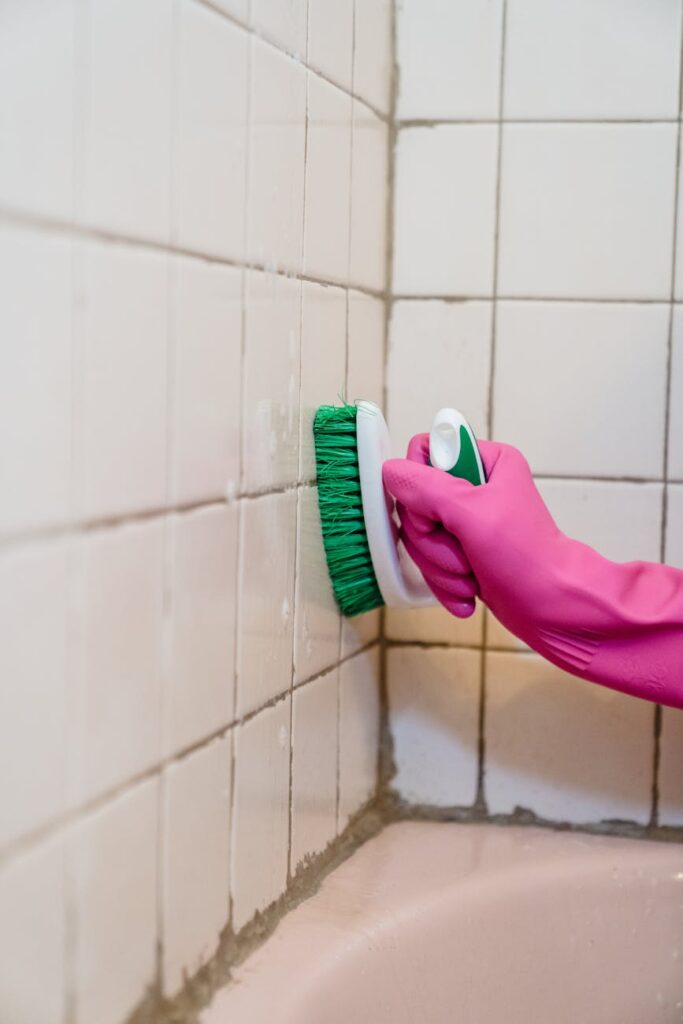
3. Scrub the Surface: Use a scrub brush or sponge to remove mold. For porous surfaces, you may need to replace materials like drywall.
4. Rinse and Dry: Wipe the area with clean water and dry it thoroughly.
Step 5: Dispose of Contaminated Materials
Step 6: Monitor and Maintain
Best Cleaning Methods
Different surfaces require different cleaning methods. Here are some effective techniques:
Common Mistakes to Avoid
1. Ignoring the Source: Always address water leaks or moisture issues first; otherwise, mold will return.
2. Using the Wrong Cleaner: Avoid using ammonia-based cleaners with bleach, as they can create toxic fumes.
3. Not Wearing Protective Gear: Always protect yourself when cleaning mold.
4. Skipping Drying: Failing to dry surfaces thoroughly can lead to regrowth.
Prevention Tips
Preventing mold is easier than removing it. Here are some practical tips:
Frequently Asked Questions
1. How can I tell if I have mold in my basement?
Look for visible signs like discoloration, a musty smell, or moisture on walls and floors.
2. Is it safe to remove mold myself?
If the affected area is small (less than 10 square feet), you can typically manage it yourself. For larger infestations, consider hiring professionals.
3. Can vinegar alone kill mold?
Yes, vinegar can kill many types of mold. However, it may not be effective on all surfaces or types of mold.
4. How can I prevent mold from returning?
Control humidity, improve ventilation, and fix any water leaks to prevent mold growth.
5. What are the risks of mold exposure?
While this guide doesn’t cover medical advice, prolonged exposure to mold can lead to various health issues. It’s essential to remove it promptly.
6. How often should I check my basement for mold?
Inspect your basement at least twice a year or after heavy rain or flooding to catch any issues early.
By following these steps and tips, you can effectively tackle mold in your basement and prevent it from returning. Stay tuned for Part 2, where we will explore advanced cleaning techniques and additional prevention strategies.