
Basement Mold Removal Bathroom Guide Part 2
Introduction
Dealing with mold in your bathroom can be a frustrating and potentially harmful experience. Mold thrives in damp, humid environments, making bathrooms a prime target. In this guide, we will explore the causes of bathroom mold, practical steps to remove it, and strategies to prevent its return. By following these actionable tips, you can reclaim your bathroom and ensure it stays mold-free.
What Causes Bathroom Mold?
Understanding the root causes of bathroom mold is critical for effective removal and prevention. The main factors contributing to bathroom mold growth include:
- High Humidity: Bathrooms often have high moisture levels due to showers, baths, and sinks.
- Poor Ventilation: Insufficient airflow allows moisture to linger, creating an ideal environment for mold.
- Leaks: Water leaks from plumbing or fixtures can provide the perfect breeding ground for mold.
- Condensation: Temperature differences between warm air from showers and cooler surfaces can lead to condensation, increasing moisture levels.
- Protective gear (gloves, mask, goggles)
- Scrub brush or sponge
- Spray bottle
- Cleaning solutions (vinegar, bleach, or commercial mold remover)
- Bucket
- Towels
- Shower walls and corners
- Grout lines
- Bathroom ceiling (especially around exhaust fans)
- Behind and under sinks and toilets
- For non-porous surfaces (like tile): Mix equal parts water and vinegar in a spray bottle. Spray the affected areas and let it sit for at least 10 minutes.
- For porous surfaces (like drywall): Use a bleach solution (1 cup bleach to 1 gallon of water) or a commercial mold remover. Apply it with a sponge, ensuring it penetrates the material.
- Vinegar: A natural disinfectant that can kill most types of mold. It’s safe for most surfaces.
- Bleach: Effective on non-porous surfaces, bleach can kill mold but may damage some materials and emit harmful fumes if not used properly.
- Baking Soda: A gentle abrasive that can be mixed with water to form a paste for scrubbing mold.
- Commercial Mold Removers: Many products are available specifically designed to tackle mold and mildew. Always follow the manufacturer’s instructions.
- Using the Wrong Cleaner: Ensure you use the correct cleaning solution for the surface type.
- Not Wearing Protective Gear: Mold spores can be harmful; always wear gloves, a mask, and goggles.
- Skipping the Drying Step: Failing to dry the area can lead to mold returning quickly.
- Neglecting to Inspect: Always check hidden areas like behind the toilet or under sinks, as mold often hides in these spots.
Why This Problem Happens
Mold is a fungus that thrives in moist conditions. When your bathroom becomes damp due to high humidity, poor ventilation, or leaks, mold spores can settle and grow within 24 to 48 hours. Understanding these conditions helps in addressing the issue effectively.
Moreover, areas that are frequently overlooked, such as behind the toilet, under the sink, or in shower corners, are often breeding grounds for mold. Left untreated, mold can cause structural damage and negatively impact air quality.
How to Fix Bathroom (Step-by-Step)
Removing mold from your bathroom requires a systematic approach. Follow these steps to tackle the issue effectively:
Step 1: Gather Your Supplies
You will need:
Step 2: Declutter the Area
Remove all items from the bathroom, including towels, toiletries, and decor. This not only gives you a clear workspace but also allows you to inspect items for mold.
Step 3: Identify Moldy Areas
Inspect the bathroom for visible mold. Common areas include:
Step 4: Apply Cleaning Solution
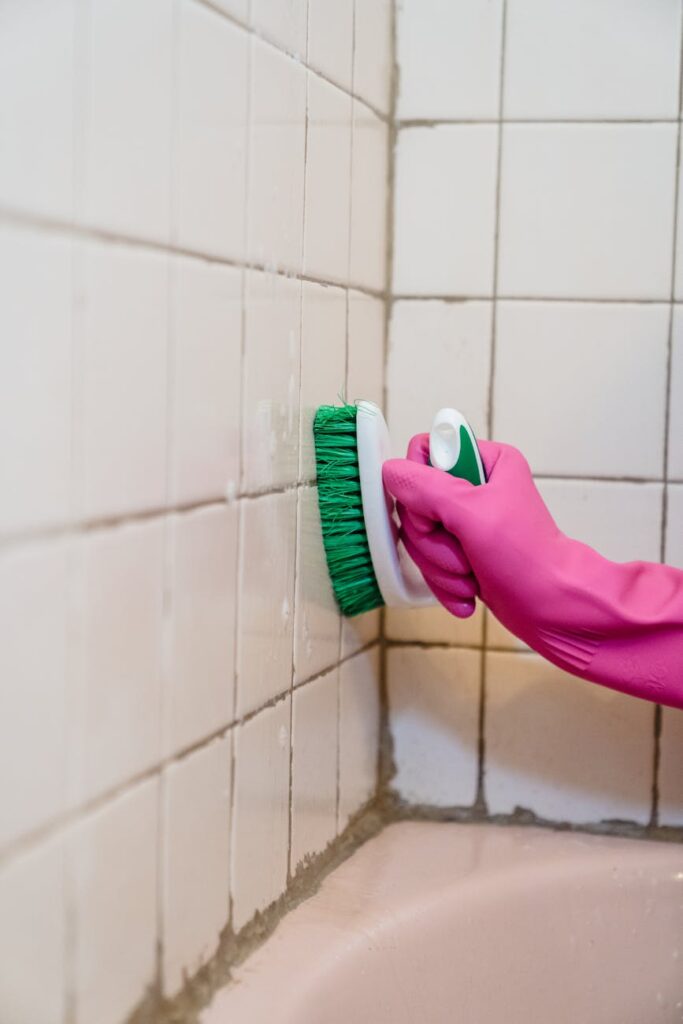
Step 5: Scrub the Area
Using a scrub brush or sponge, scrub the moldy areas thoroughly. Pay extra attention to grout lines and corners, where mold tends to accumulate.
Step 6: Rinse and Dry
After scrubbing, rinse the surface with clean water. Use towels to dry the area completely, as moisture can promote further mold growth.
Step 7: Dispose of Contaminated Materials
Dispose of any sponges, towels, or other materials that came into contact with mold. Seal them in a plastic bag before disposing of them to prevent spores from spreading.
Step 8: Reorganize and Protect
Once the area is clean, return your items, ensuring that everything is dry. Consider using mold-resistant products, such as mold-resistant paint or shower curtains.
Best Cleaning Methods
There are several effective methods for cleaning mold in your bathroom:
Common Mistakes to Avoid
When cleaning bathroom mold, avoid these common pitfalls:
Prevention Tips
Preventing mold from returning is crucial. Here are some effective strategies:
1. Improve Ventilation: Use exhaust fans during and after showers. Leave the door open to increase airflow.
2. Regular Cleaning: Clean your bathroom regularly with mold-inhibiting cleaners to prevent buildup.
3. Fix Leaks Promptly: Repair any plumbing leaks immediately to eliminate moisture sources.
4. Use Dehumidifiers: If your bathroom is particularly humid, consider using a dehumidifier to reduce moisture levels.
5. Seal Grout Lines: Apply a grout sealer to protect against moisture infiltration.
6. Choose Mold-Resistant Products: Opt for mold-resistant paint, caulk, and shower curtains to minimize risk.
Frequently Asked Questions
1. How can I tell if I have mold in my bathroom?
Look for visible dark or greenish spots on walls, ceilings, or grout lines. You may also notice a musty smell.
2. Is vinegar effective against all types of mold?
Vinegar is effective against many common mold types but may not eliminate all mold spores. For stubborn mold, consider using bleach or a commercial mold remover.
3. Can I use bleach on all surfaces?
No, bleach should not be used on porous surfaces like wood or drywall, as it can damage them. Always check the manufacturer’s recommendations.
4. What should I do if mold returns after cleaning?
If mold returns, inspect for moisture sources, improve ventilation, and consider consulting a professional if the problem persists.
5. Is it safe to use commercial mold removers?
Yes, but always follow the instructions and ensure proper ventilation when using chemical products.
6. Can I prevent mold with essential oils?
Some essential oils, like tea tree oil or lavender, have antifungal properties. While they can help, they are not a substitute for thorough cleaning and maintenance.
By following this guide, you can effectively remove bathroom mold and take preventive measures to keep your space clean and healthy. Regular maintenance and vigilance are key to a mold-free bathroom.