
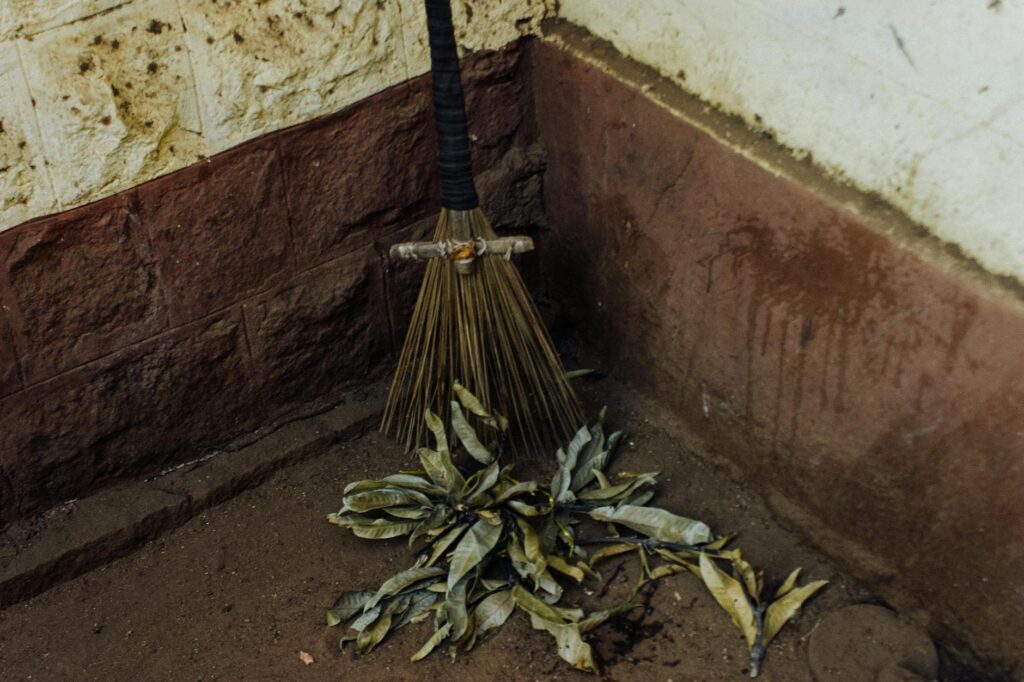
Basement Moisture问题 Kitchen Guide Part 1
Introduction
Basement moisture can wreak havoc on your home, especially in the kitchen. It’s not just an aesthetic issue; excess moisture can lead to mold, mildew, and structural damage. This guide will help you identify the causes of moisture in your kitchen, provide step-by-step solutions, and share preventative measures to keep your kitchen dry and healthy.
What Causes Kitchen Moisture?
Understanding the root causes of moisture in your kitchen is the first step to addressing the problem. Here are some common culprits:
1. Poor Ventilation: Kitchens generate steam and humidity from cooking. Without proper airflow, moisture accumulates.
2. Leaky Pipes: Dripping or leaking plumbing can introduce moisture over time, creating a breeding ground for mold.
3. Damp Walls: If your basement walls are damp, this moisture can seep into your kitchen, especially if it shares a wall with the basement.
4. Appliance Issues: Refrigerators and dishwashers can leak, contributing to excess moisture.
5. Humidity from Cooking: Boiling water, baking, and dishwashing release steam, which can condense if not adequately ventilated.
Why This Problem Happens
The kitchen is particularly susceptible to moisture issues due to its unique environment. The combination of heat, steam, and food preparation creates a humid atmosphere. When this moisture isn’t adequately managed, it can lead to condensation on walls and surfaces, exacerbating existing water issues from outside or below. Additionally, poor insulation and sealing can allow outside moisture to enter.
How to Fix Kitchen Moisture (Step-by-Step)
Addressing moisture issues in the kitchen requires a systematic approach. Follow these steps to effectively mitigate the problem:
Step 1: Identify the Source
- Inspect for Leaks: Check under the sink, behind appliances, and around pipes for any signs of water.
- Examine Walls and Ceilings: Look for discoloration, peeling paint, or mold spots.
- Assess Ventilation: Ensure exhaust fans are working and that windows can open.
- Fix Leaky Pipes: Use plumber’s tape for small leaks or call a professional for significant issues.
- Check Appliances: Ensure dishwashers and refrigerators are properly connected and sealed.
- Install Exhaust Fans: If your kitchen lacks proper ventilation, consider adding an exhaust fan above the stove.
- Open Windows: During cooking, try to open windows to allow steam to escape.
- Use Dehumidifiers: In particularly humid environments, a dehumidifier can help maintain a comfortable humidity level.
- Seal Cracks: Use caulk or weather stripping around windows and doors to prevent outside moisture from entering.
- Insulate Pipes: Insulating exposed pipes can help prevent condensation.
- Remove Mold and Mildew: Use a mixture of water and vinegar or a commercial mold remover to clean affected areas.
- Dry Surfaces: After cleaning, ensure all surfaces are thoroughly dried to prevent further moisture buildup.
Step 2: Repair Leaks
Step 3: Improve Ventilation
Step 4: Insulate and Seal
Step 5: Clean and Disinfect
Best Cleaning Methods
Choosing the right cleaning methods can enhance your efforts to combat moisture:
1. Vinegar and Water Solution: A 1:1 mixture of white vinegar and water effectively removes mold and mildew. Spray the solution on affected areas and wipe clean.
2. Baking Soda: For stubborn stains, sprinkle baking soda on the area and scrub with a damp cloth. This will help absorb moisture and eliminate odors.
3. Commercial Mold Cleaners: For severe mold issues, consider using commercial products specifically designed to kill mold spores.
4. Steam Cleaners: These can be effective for deep cleaning surfaces and killing mold without harsh chemicals.
Common Mistakes to Avoid
When tackling moisture issues, avoid these common pitfalls:
1. Ignoring Small Leaks: Small leaks can lead to big problems. Fix them promptly.
2. Neglecting Ventilation: Don’t underestimate the importance of airflow; always use exhaust fans during cooking.
3. Overlooking Cleaning: Simply wiping surfaces isn’t enough. Regularly deep clean areas prone to moisture.
4. Using Harsh Chemicals: Avoid using harsh chemicals that may damage surfaces or contribute to indoor air pollution.
5. Failing to Monitor Humidity Levels: Use a hygrometer to keep an eye on humidity levels. Ideal indoor humidity should be between 30-50%.
Prevention Tips
Preventing moisture buildup in your kitchen requires consistent attention:
1. Maintain Good Ventilation: Always use exhaust fans when cooking. Open windows when weather permits to increase airflow.
2. Regular Inspections: Frequently check for leaks and signs of moisture accumulation.
3. Control Humidity: Use dehumidifiers or air conditioning to maintain optimal indoor humidity levels.
4. Install a Sump Pump: If your basement is prone to moisture, consider installing a sump pump to divert water away.
5. Use Moisture-Resistant Materials: When renovating, opt for moisture-resistant paint and materials.
Frequently Asked Questions
1. How do I know if my kitchen has a moisture problem?
Signs include peeling paint, mold growth, musty odors, and condensation on windows.
2. Can I use bleach to clean mold?
While bleach can kill surface mold, it does not penetrate porous materials effectively. Consider using vinegar or a commercial mold cleaner instead.
3. How often should I check for leaks?
Make it a habit to inspect plumbing and appliances every few months to catch any issues early.
4. What humidity level is best for my kitchen?
Aim for a humidity level between 30-50% to minimize moisture problems.
5. Is it safe to use a dehumidifier in the kitchen?
Yes, a dehumidifier can help control humidity, but ensure it’s placed away from cooking appliances to avoid damage.
6. Should I call a professional if the problem persists?
If moisture issues continue despite your efforts, it may be time to consult a professional to assess the situation and provide targeted solutions.
By understanding the causes of moisture and implementing the steps outlined above, you can effectively manage and prevent moisture problems in your kitchen, ensuring a cleaner, healthier home environment.