
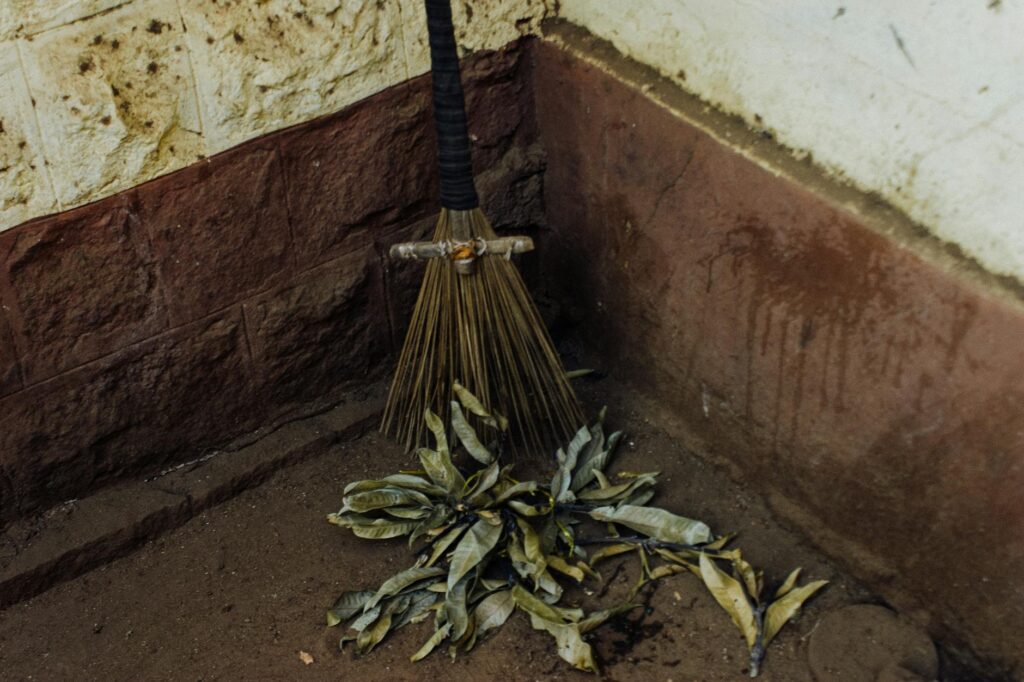
Basement Moisture Cleaning Guide Part 1
Introduction
Basements are often the most neglected areas of our homes. However, they can also be hotspots for moisture accumulation, leading to mold growth, unpleasant odors, and structural damage. This guide will walk you through the causes of basement moisture, effective cleaning methods, and preventive measures to keep your basement dry and clean.
What Causes Moisture?
There are several factors that contribute to moisture buildup in basements:
1. Poor Drainage: Water pooling around your home’s foundation can seep into the basement.
2. High Humidity: Humid weather can cause moisture to condense on cooler surfaces.
3. Leaks: Pipes, windows, and walls can develop leaks over time.
4. Groundwater: High water tables can lead to water seeping through the floor and walls.
5. Poor Ventilation: Lack of airflow can trap humidity, leading to mold growth.
Understanding these causes is the first step to effectively combat moisture issues.
Why This Problem Happens
Moisture problems in basements often arise from a combination of environmental factors and structural issues. For example, homes built in areas with high water tables are more susceptible to moisture problems. Similarly, older homes may have outdated waterproofing methods that are no longer effective. When moisture accumulates, it creates a perfect environment for mold and mildew, which can impact indoor air quality and damage belongings.
How to Fix Moisture (Step-by-Step)
Step 1: Identify the Source
Before you can clean and address moisture issues, you need to locate the source. Check for:
- Visible leaks: Look for water stains, damp spots, and puddles.
- Condensation: Inspect windows and walls for moisture buildup.
- Musty odors: This can indicate mold growth.
- Patch Leaks: Use hydraulic cement for cracks in walls or floors.
- Seal Windows: Ensure window seals are tight and add caulking if necessary.
- Inspect Pipes: Look for leaks in plumbing and repair them promptly.
- Gutters and Downspouts: Ensure they direct water away from the foundation.
- French Drains: Consider installing a French drain system if water pooling is severe.
- Airflow: Open windows or install vents to create airflow.
- Exhaust Fans: Use exhaust fans to reduce humidity when doing laundry or other moisture-producing activities.
Step 2: Clean Up Existing Moisture
1. Remove Items: Take out any furniture, boxes, or belongings that might be affected by moisture.
2. Dry the Area: Use fans or a dehumidifier to dry out the space. Aim for a humidity level of 30-50%.
3. Mold Removal: If you find mold, use a mixture of water and detergent or a commercial mold remover. Scrub affected areas with a brush and wear protective gear.
Step 3: Seal Any Leaks
Step 4: Improve Drainage
Step 5: Increase Ventilation
Best Cleaning Methods
1. Soap and Water
For basic cleaning, a mixture of soap and water can effectively remove mild mold and mildew. Use a scrub brush to apply and scrub surfaces.
2. Vinegar Solution
White vinegar is a natural mold killer. Mix equal parts vinegar and water in a spray bottle. Spray on affected areas and allow it to sit for an hour before wiping it away.
3. Baking Soda
Sprinkle baking soda on damp areas to absorb moisture and odors. Let it sit for several hours before vacuuming.
4. Commercial Cleaners
For severe mold infestations, consider using commercial mold removers. Always follow the manufacturer’s instructions and wear protective gear.
Common Mistakes to Avoid
1. Ignoring Small Issues: Small leaks can lead to larger problems. Address them promptly.
2. Using Bleach: While bleach can kill surface mold, it doesn’t penetrate porous materials and can lead to regrowth.
3. Neglecting Ventilation: Don’t forget to keep your basement ventilated, especially after cleaning.
4. Skipping Prevention: Cleaning is important, but preventing moisture from returning is crucial.
Prevention Tips
1. Regular Inspections: Check your basement regularly for signs of moisture.
2. Dehumidifiers: Invest in a dehumidifier to maintain optimal humidity levels.
3. Landscaping: Grade your yard away from the foundation to prevent water buildup.
4. Seal Cracks: Regularly inspect and seal cracks in walls and floors.
5. Maintain Gutters: Clean gutters and downspouts regularly to ensure proper drainage.
Frequently Asked Questions
1. How often should I check my basement for moisture?
Check your basement at least once a month, especially during rainy seasons.
2. Can I use bleach to clean mold?
While bleach can kill mold on non-porous surfaces, it is not effective for porous materials and can contribute to mold regrowth.
3. How do I know if my basement has high humidity?
Use a hygrometer to measure humidity levels. Ideally, they should be between 30-50%.
4. What is the best way to prevent moisture in my basement?
Ensure proper drainage, improve ventilation, and use a dehumidifier to keep humidity levels low.
5. Is it safe to clean mold myself?
If the mold covers an area larger than 10 square feet, it’s best to consult a professional. For smaller areas, wear protective gear and follow safety guidelines.
6. Can I keep my basement dry without a dehumidifier?
Yes, but it may require more effort. Ensure good drainage, ventilation, and regular inspections to manage moisture levels.
By taking actionable steps to address and prevent basement moisture, you can create a clean, dry, and usable space in your home. Stay tuned for Part 2, where we will explore advanced techniques and solutions for severe moisture issues.