
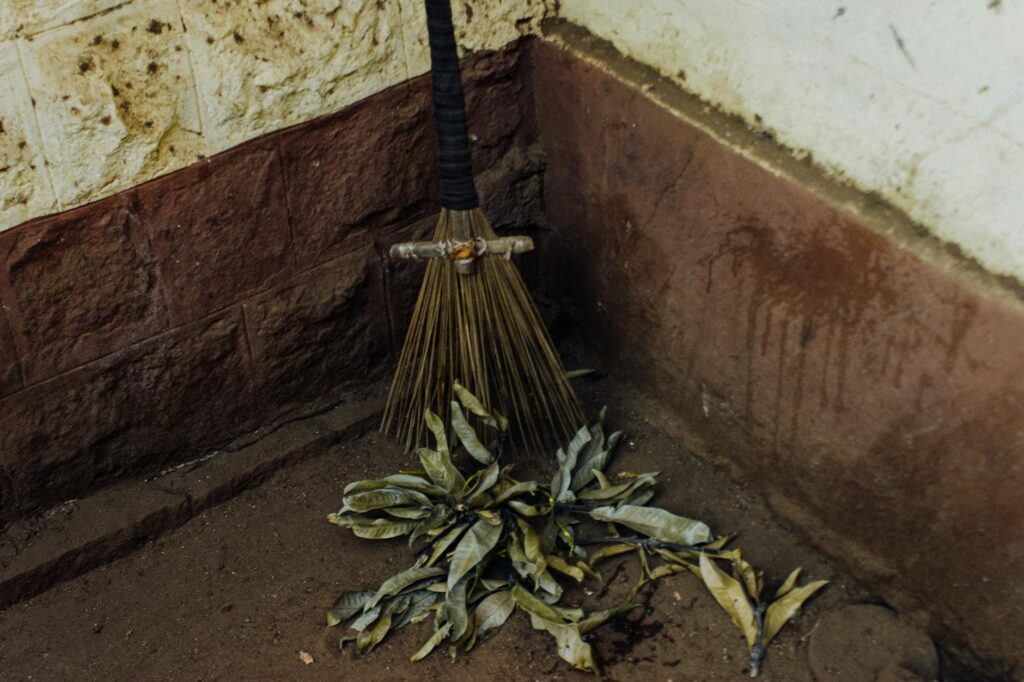
Basement Moisture问题 Appliances Guide Part 1
Introduction
Basements can often be damp environments, making them prone to moisture problems that affect not only the structure of your home but also the appliances housed within. From washers and dryers to refrigerators and freezers, moisture can lead to rust, mold, and inefficiencies. In this guide, we’ll explore the causes of moisture issues associated with appliances, practical steps for fixing these problems, and tips for preventing future occurrences.
What Causes Appliances?
Several factors contribute to moisture issues in basement appliances:
1. Humidity: Basements often have higher humidity levels, especially in areas with poor ventilation.
2. Water Leaks: Plumbing issues can lead to leaks, which create water accumulation around appliances.
3. Condensation: Temperature differences between the warm air inside an appliance and the cooler basement air can cause condensation.
4. Poor Insulation: Lack of insulation can allow cold air to seep in, increasing moisture levels.
5. Groundwater: In some cases, water can seep in from the foundation, especially during heavy rains.
Why This Problem Happens
Understanding why moisture problems arise helps in effectively addressing them. Basements are naturally cooler and often lack proper air circulation. When warm, moist air comes into contact with cooler surfaces (like appliance exteriors), condensation occurs. This moisture can lead to:
- Corrosion: Metal parts can rust, affecting appliance functionality.
- Mold Growth: Mold thrives in damp conditions, posing health risks and damaging appliances.
- Energy Inefficiency: Damp appliances often use more energy to operate, increasing utility bills.
- Inspect for Leaks: Check plumbing lines and connections for leaks.
- Look for Signs of Moisture: Water stains, mold, or dampness around appliances indicate moisture problems.
- Clear the Space: Move appliances away from walls to inspect behind them.
- Use Towels: Wipe down any moisture present on the appliance surfaces.
- Dehumidify: Use a dehumidifier to reduce overall humidity in the basement.
- Seal Leaks: Use plumbing tape or sealants for minor leaks.
- Call a Professional: For significant plumbing issues, it’s best to consult a plumber.
- Open Windows: If possible, allow fresh air to circulate.
- Install Vents: Consider adding vents or fans to improve air circulation.
- Use Insulation Covers: Insulate pipes and appliance surfaces to reduce condensation.
- Install a Vapor Barrier: Consider adding vapor barriers on basement walls to prevent moisture ingress.
- Dust and Wipe: Regularly dust the exterior of appliances to prevent moisture buildup.
- Vacuum: Use a vacuum with a hose attachment to clean behind and underneath appliances.
- Baking Soda: Place an open box of baking soda in the fridge or freezer to absorb odors.
- Vinegar Solution: Wipe surfaces with a vinegar solution to neutralize odors.
- Regular Inspections: Routinely check appliances and areas for signs of moisture.
- Install a Dehumidifier: Consider a dehumidifier to maintain optimal humidity levels.
- Seal Cracks: Inspect and seal any cracks in the foundation or walls.
- Use Moisture Absorbers: Place moisture-absorbing products, like silica gel packets, near appliances.
- Maintain Plumbing: Regularly inspect and maintain plumbing to prevent leaks.
How to Fix Appliances (Step-by-Step)
Tackling moisture issues in your basement appliances requires a systematic approach. Follow these steps to identify and resolve the problem:
Step 1: Identify Moisture Sources
Step 2: Clean and Dry the Area
Step 3: Repair Leaks
Step 4: Improve Ventilation
Step 5: Insulate Appliances
Best Cleaning Methods
Once moisture issues are addressed, maintaining cleanliness is crucial. Here are effective cleaning methods for appliances:
Mold Removal
1. Use a Mold Cleaner: Spray a mixture of water and vinegar (1:1 ratio) on affected areas.
2. Scrub the Surface: Use a non-abrasive sponge to scrub away mold.
3. Rinse and Dry: Rinse with clean water and dry thoroughly.
Regular Cleaning
Deodorizing
Common Mistakes to Avoid
When dealing with basement moisture issues, avoiding these common pitfalls can save you time and effort:
1. Ignoring Small Leaks: Small leaks can escalate; always address them promptly.
2. Using Harsh Chemicals: Avoid abrasive cleaners that can damage appliance surfaces.
3. Neglecting Ventilation: Good airflow is essential; don’t block vents or airflow paths.
4. Overlooking Insulation: Failing to insulate appliances can lead to recurring moisture problems.
Prevention Tips
Taking proactive measures can help prevent future moisture issues:
Frequently Asked Questions
1. How can I tell if my basement has high humidity?
Check for condensation on windows, walls, or appliances, and monitor for mold growth or musty odors.
2. What appliances are most affected by basement moisture?
Washers, dryers, refrigerators, and freezers are commonly affected due to their metal components and cooling systems.
3. Can I use a fan to reduce moisture in my basement?
Yes, using fans can help improve air circulation, which can reduce moisture levels.
4. How often should I clean my basement appliances?
Regular cleaning every few months is recommended, with more frequent checks in high-humidity seasons.
5. Is it necessary to call a professional for minor leaks?
While minor leaks can often be fixed DIY, persistent issues or larger leaks should be addressed by a professional plumber.
6. What is the ideal humidity level for basements?
Aim to keep humidity levels between 30% and 50% to prevent moisture-related problems.
Conclusion
Addressing basement moisture问题 related to appliances is essential for maintaining functionality and prolonging their life. By understanding the causes, implementing cleaning and preventive measures, and avoiding common mistakes, you can keep your basement appliances in good working order. Stay tuned for Part 2, where we’ll delve deeper into long-term solutions and advanced prevention strategies!